
Welcome to Principle Based Learning
Principle Based Learning teaches
valuable Educational Principles for
Home-centered learning.
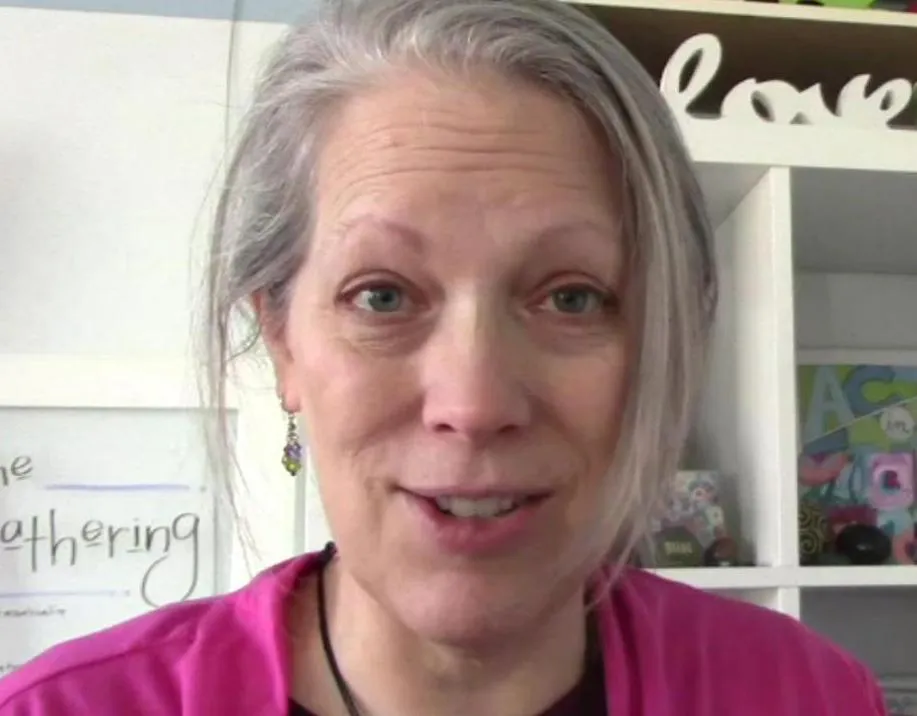
Carol B Webster
Veteran homeschool mom of 5
Founder of Principle Based Learning
and Holding Space Practice
Empower.
PBL Supports and empowers adults who in turn support and empower children.
Explore.
PBL encourages exploration. Be curious. Ask questions. Be willing to try new things and new ideas. Create something new..
Educate.
Education = growth and learning. Its about what happens inside a person. It is enlarging personal freedom and reducing personal fear.
Learn the 7 Principles
Regardless of schooling and curriculum choices, learning happens most effectively when these principles are applied.
Click here to learn more and get copy of the 7 PBL Principles.
Homeschooling Nitty-gritty
There are so many great resources, curricula and programs for homeschoolers! But, with so much to choose from, it can also be overwhelming.
Carol Webster’s Kindle book Homeschooling for Those Who Think They Can’t is her advice to people when they ask ,”How do you homeschool”?
You may not be interested in being a homeschooler, but you are probably interested in your family's education.
This book gives an insider's look of one mom and dad and five kids. Things were rough until I learned to apply principles that helped us create a better learning atmosphere.

Parents Corner
The greatest impact in all of history is the influence parents have on children. We can’t stop the teaching and passing on our personal characteristics, coping skills and habits (good or bad). PBL sponsors
workshops, blog posts and other resources to support parents and individuals striving to pass on a noble legacy to the next generation.
Carol's Bucket Blog has a section of blogs on homeschooling. It is under re-construction.
Looking Back
PBL began in Spring 2009.
Many individuals and families have participated. Noting the physical growth of children and our internal changes
over the years helps us remember that our decisions now impact the future.
Friday, December 17, 2021, at 4:28 pm I got a text from one of our dear PBL moms, Amy Harvey.
Her message read, “Called hospice today. The nurse just left. I so want to honor God in this…”
Amy had been battling cancer for several years.
I had not talked to her for about year.
I understood that my opportunity to be in contact with Amy in this life was coming to an end.
Amy was an artist and taught art to our kids along with other topics like government.
Mostly, she taught us all how to look at life from the perspective of beauty, love and respect for self, for others and especially for God.
In that moment I wanted to see some of her art.
When I went to look for it, I couldn’t find it.
She said she had to take down her website years ago. (It costs to keep a website running and she needed to put her resources elsewhere.)
I wanted to have her work somewhere online, so I asked to publish her work on the Principle Based Learning website.
She started texting me photos.
Here they are:
Learn the 7 Principles
Regardless of schooling and curriculum choices, learning happens most effectively when these principles are applied.
Click here to learn more and get copy of the 7 PBL Principles.
Homeschooling Nitty Gritty
There are so many great resources, curricula and programs for homeschoolers! But, with so much to choose from, it can also be overwhelming.
Carol Webster’s Kindle book
Homeschooling for Those Who Think They Can’t
is her advice to people when they ask ,”How do you homeschool”?
You may not be interested in being a homeschooler, but you are probably interested in your family's education.
This book gives an insider's look of one mom and dad and five kids. Things were rough until I learned to apply principles that helped us create a better learning atmosphere.
Parents Corner
The greatest impact in all of history is the influence parents have on children. We can’t stop the teaching and passing on our personal characteristics, coping skills and habits (good or bad). PBL sponsors
workshops, blog posts and other resources to support parents and individuals striving to pass on a noble legacy to the next generation.
Visit
to find a section of blogs on homeschooling.
Looking Back
PBL began in Spring 2009.
Many individuals and families have participated. Noting the physical growth of children and our internal changes
over the years helps us remember that our decisions now impact the future.
Friday, December 17, 2021, at 4:28 pm I got a text from one of our dear PBL moms, Amy Harvey.
Her message read, “Called hospice today. The nurse just left. I so want to honor God in this…”
Amy had been battling cancer for several years.
I had not talked to her for about year.
I understood that my opportunity to be in contact with Amy in this life was coming to an end.
Amy was an artist and taught art to our kids along with other topics like government.
Mostly, she taught us all how to look at life from the perspective of beauty, love and respect for self, for others and especially for God.
In that moment I wanted to see some of her art.
When I went to look for it, I couldn’t find it.
She said she had to take down her website years ago. (It costs to keep a website running and she needed to put her resources elsewhere.)
I wanted to have her work somewhere online, so I asked to publish her work on the Principle Based Learning website.
She started texting me photos.
Here they are:

Your Key to Success
The Key to successful homeschooling, parenting and LIFE is to start with your OWN education as an adult. Not so much book-learning, but by increasing maturity and learning how to stabilize and build YOUR energetic and emotional foundations.
To do that
START HERE

Holding Space Practice takes you on a journey toward balance, peace and resiliency. Once you complete this path, you with have a new foundation to build on!
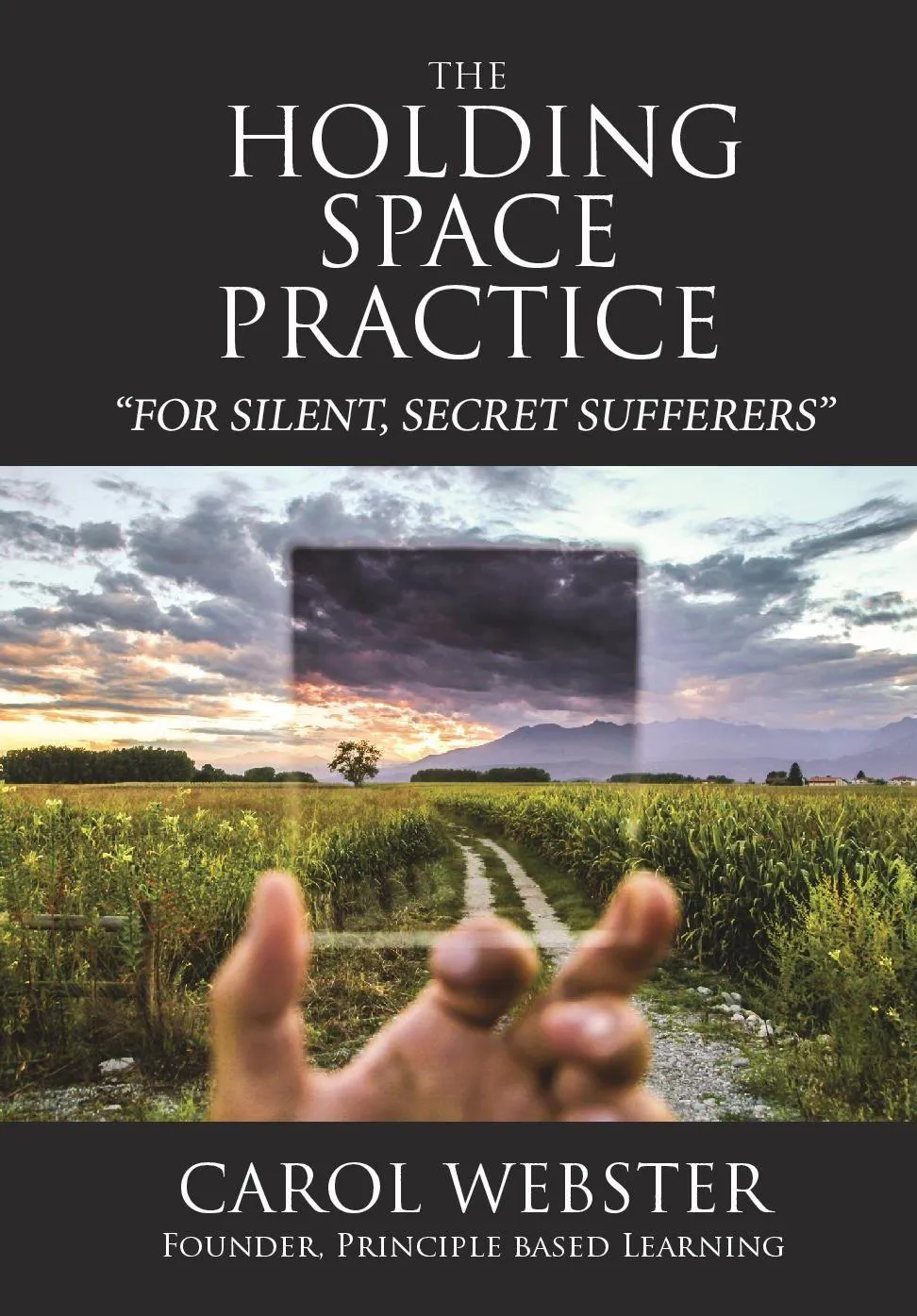
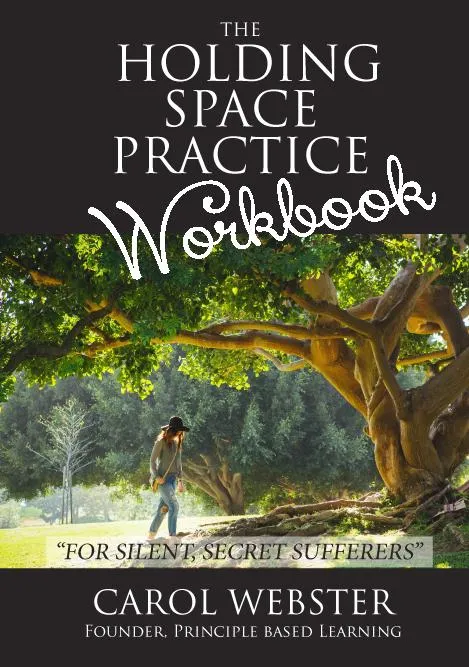

This sample course from Holding Space Practice will help you begin to parent with more confidence and calm.
Video:
5 Tips for Creating a Home Learning Environment that Goes Beyond "Homeschooling".
Although the video addresses homeschool parents, these tips and principles are for everyone regardless of family status or school choices.

Principle Based Learning, LLC
All Rights Reserved
2009-2024